Puppies

Echo

Echo

Echo is now looking for a forever home. She is a awesome all around dog.

Good with all people, kids and most dogs, She loves her toys and likes to play play play.

Echo is turning 4 next month.

Please call for more info.

Echo

Echo

Categories: Puppies

Establishing and Keeping Alpha Position, Letting your dog know you are the boss

This is a must read if you have a dominant dog.

Below are a list of rules to follow to ensure your dog knows his place in your human pack. Not all of these rules have to be followed to a tee if your dog shows no signs of aggression. However, if your dog guards his food, or growls at humans in the family, and especially if you own a wolf hybrid, these rules should be strictly followed. Dogs need to have a clear place in their pack. A dog lacking in this clear order is an unhappy dog.

Source: Establishing and Keeping Alpha Position, Letting your dog know you are the boss

Below is a list of rules every dog owner should follow to ensure your dog knows his place in your human pack. If your dog guards his food or growls at humans in the family, and especially if you own a wolf hybrid, these rules should be strictly followed. Dogs need to have a clear place in their pack. A dog lacking in this clear order is an unhappy dog.

Sometimes a dog might not be showing signs of aggression, however the dog is suddenly showing signs of separation anxiety, such as destructive behaviors when you leave the house. A dog that steals food from human hands has no respect for the human, and therefore does not see the human as pack leader. A dog that questions his place in the household pack can sometimes cause him to suddenly display destructive behaviors, as the dog is confused and taking his anxiety out on your house.

A dog that knows his place in his human pack is a happy dog. A dog that does not is a confused dog and can exhibit many unwanted behaviors because of it.

  1. The number one way to communicate to a dog that you are his pack leader is to take him for a walk. Not the type of walk most humans take their dogs on but a pack walk, where the dog is made to heel beside or behind the human who is holding the lead. This is most important for all dogs, as in a dog’s mind, the leader always leads the way. A dog must not be allowed to sniff or eliminate anywhere he wishes, but where you allow him. One marking against a tree is enough for male dogs. The dog should be concentrating on following the human, not worrying about leading the way. This pack-type walk should be done daily. Not only will this release built-up energy, but it will satisfy the dog’s instinct to migrate which all dogs possess. Dogs that have excess energy bottled up inside them and that do not have their migration instinct met will develop various instability issues that most people mistake for being breed traits.
  2. All humans must eat before the dogs, as the leader always eats first. When you give your dog its food eat a small snack first while he is watching, lay the snack near the dog’s food so that he thinks you are eating out of his bowl (the leader always eats first).
  3. No table scraps should be fed to the dogs during a meal.
  4. Feedings must be at a scheduled time. (No self-feeding dog food dispensers should be used, as this allows the dog to choose when he eats.)
  5. Humans must not let the dog go through any doorways first. Or up or down any stairways first. Dogs must always go through the doorways and up and down stairs after the humans, as the leader of the pack always goes first. If the dog does not stay behind the humans, the dog must be told to “stay” and given the command to “come” after all humans have passed through. (Read Training to find out the necessary basic commands all dogs should know. These commands are vital in the communication between you and your dog and should always be taught.)
  6. When you leave the house or the room, even for a minute, ignore the dog for a few minutes upon your return.
  7. A simple obedience command such as “sit” should be given before any pleasurable interaction with the dog (i.e., play session, petting, feeding, a walk, etc.). The children should give the dog commands at least once a day and reward with a treat when the command is followed. A simple “sit” will do. No treat should be awarded if the dog does not follow the command.  Show your dog he does not get anything for free. His food, water, treats, even praise/love have to be earned by doing something. Even something as little as sit, come, or making him wait for the treat while you hold it in front of him. Make sure the dog takes the treat from your hands gently. Do not tolerate a mouthy dog.
  8. You should not lie on the floor to watch TV when the dog is around and no one should roll around the floor playing with the dog, as a human should never put himself in an equal or lesser height position than the dog.
  9. You are the one who greets newcomers first, the dog is the last to get attention (the pack leader is the one who greets newcomers and lets the rest know when it is safe to greet the newcomer).
  10. If a dog is lying in your path, do not walk around the dog, either make the dog move or step over the dog.
  11. During the time you are establishing your higher pack position, no hugs should be given to the dog by you, as a dominant dog may consider this a challenge of power.
  12. To a dog in a dominant frame of mind eye contact is a challenge. Whoever averts his gaze first loses. If the human averts first this reinforces the dog’s higher power position. Do not have staring contests with a dog, as if you avert or blink first, it will only reinforce, in the dog’s mind, that he is Top Dog.
  13. Ideally, dogs should not sleep in your bed. In the dog world the most comfortable place to sleep is reserved for the higher members of the pack. If a dog is allowed to sleep on the bed, the dog must be invited up and not be allowed to push the humans out of the way. Making them sleep at the foot of the bed rather than, for example, on your pillow is best.
  14. Dogs must never be allowed to mouth or bite anyone at any time, including in play.
  15. Any attention given to the dog, including petting, should be given when the human decides attention is to be given (absolutely no petting when the dog nudges or paws you or your hand. This would be letting the dog decide and reinforcing, in his mind, that he is higher on the scale than the human.)
  16. Games of fetch or play with toys must be started and ended by the human.
  17. Very dominant dogs that have a problem with growling should not be allowed to lie on your furniture, as the leader of the pack always gets the most comfortable spot. Dogs belong on the floor. If you do decide to allow your dog on the furniture, you must be the one who decides when he is allowed up and you must be the one who decides when he is to get off, by inviting him up, and telling him to get down.
  18. No tug-of-war, as this is a game of power and you may lose the game, giving the dog a reinforcement (in the dog’s mind) of top dog.
  19. Dogs need to be taught a “drop it” or release command. Any objects the dog has in his possession should be able to be taken away by all humans.
  20. Dogs own no possessions, everything belongs to the humans. They are all on “loan” from the human family. You should be able to handle or remove any item at all times from the dog with no problems from the dog. Even if you are taking a chicken bone out of the dog’s mouth.
  21. Dogs should not be allowed to pull on the leash. When they do this they are leading the way and it is the humans that need to lead the way and show they’re higher up in the pack order. (In the wild, the leader of the pack always leads the way; the leader leads the hunt.)
  22. When you put his food dish down, he must wait until you give the “OK” to eat it. Place his food on the ground and tell him to wait. If he darts at the food, block him with your body. You can point at him and tell him, “No, wait,” however do not speak much. Dogs are, for the most part, silent communicators. They feel one another’s energy and your dog can feel yours. Yes, your dog can read your emotions. So stand tall and think “big” and stay confident. Do not be nervous, your dog will sense this and assume you are weak. It is this weakness that triggers a dog to try and take over (for the good of the pack; the pack needs a strong leader). Give the dog a command before giving the food. If a dog does not follow the command (i.e. to sit), he does not eat. Try again in about 20 minutes or longer. Repeat this until the dog listens to the command. When your dog calms down and waits patiently, (ears set back, head lowered even slightly, lying down is good if he is relaxed with his ears back, no signs of growling on his face) invite him to eat his food. The people in the family the dog growls at should feed the dog the majority of the time.
  23. Small dogs or puppies that demand to be picked up or put down should not get what they want until they sit or do another acceptable quiet behavior. They should not be put down unless they are settled quietly in your arms.
  24. Dogs should never be left unsupervised with children or anyone who cannot maintain leadership over the dog.
  25. To reinforce your position even more, you can make your dog lie down and stay there for 20 to 30 minutes a day. Tell him to lie down, then tell him to stay. If he tries to get up, correct him.
  26. Last but certainly not least…when you are around your dog avoid emotions such as fear, anxiety, harshness or nervousness. Your dog can sense these emotions and will see you as weak. This will escalate your problem as your dog feels an even stronger need to be your leader. Think Big and Powerful and be calm, assertive, and consistent. Remember, there is no hiding our emotions from our dogs. They can, in a sense, read our minds in reading our emotions. This energy is the universal language of animals. Talk less, using more body language. Picture yourself, in your own mind, as big, powerful and very sure of yourself. Pull your shoulders back and stand up straight. Your dog will feel this. This is your number one resource when it comes to communicating with your dog. Your dog will be happy and secure knowing he has a strong pack leader to care for him.

By incorporating all these behaviors in his normal day your dog will realize that you, the human, are alpha over him and he is beneath you. Obedience exercises and classes are great and very useful, however, obedience training alone does not address pack behavior problems.

Written by Sharon Maguire© Dog Breed Info Center® All Rights Reserved

Categories: Puppies

We are now taking deposits on Echo and Wrecker upcoming litter.

We are now taking deposits on Echo and Wrecker upcoming litter.

Echo

Echo

DSCN3162

Categories: Puppies | Tags: ,

Blng and Wrecker

Born 7/3/2015

Bling and Wrecker ‘s two girls!!!

Welcome Freedom and Liberty

Freedom is the Blue Merle and Liberty is the Red Merle

Categories: Puppies | Tags: ,

Laska and Wrecker

Laska and Wrecker had one large baby girl I named her Solo. I don’t know what happened.

I had Laska ultrasounded at 30 days and they were more pups but apparently they all reabsorbed except Solo.

They have been checked by the vet  and all is good. I will be adding Solo to Bling’s list.

Categories: Puppies

Both Ginger and Spice’s litters

Here are some snap shots of both Ginger and Wrecker’s litter

and Spice and Wyatt’s litter.


Spice and Wyatt

All pups sold

.


Ginger and Wrecker

Categories: Ginger And Wrecker, Wyatt And Spice's Puppies | Tags: , , ,

Spice and Wyatt’s puppies at 4 weeks

Wyatt’s and Spice’s last litter.

Categories: Wyatt And Spice's Puppies | Tags: ,

Laska and Wrecker and going to have puppies.

Took Laska to the vet vet this morning, and the vet said yes she is pregnant.  We are now taking deposits on her litter.

Categories: Puppies | Tags: ,

Echo and Truffles

Here are some quick snap shots for those of you that are picking this weekend.

Categories: Echo and Wrecker, Truffles and Bodie | Tags: , ,

Spice and Wyatt

Well here they are finally.  Spice and Wyatt’s last litter of beautiful pups. They are now 3 weeks old.

Welcome The Next Generation

Categories: Wyatt And Spice's Puppies | Tags: ,

Truffles and Bodie’s ltter at 4 weeks

They are getting so big so fast.

They are up and about growling and starting to play, just to much cuteness!!!

Categories: Truffles and Bodie | Tags: ,

Truffles and Bodie’s litter.

Here they are at 2 1/2 weeks old. What stocky little pups,

Did I say STOCKY WOW!!!!

This litter I named after  Warriors.

Categories: Truffles and Bodie | Tags: ,

Spice and Wyatt last puppies

What a beautiful colorful litter for their last one.

Five pups. The two on the left are the the females.

Categories: Wyatt And Spice's Puppies | Tags: ,

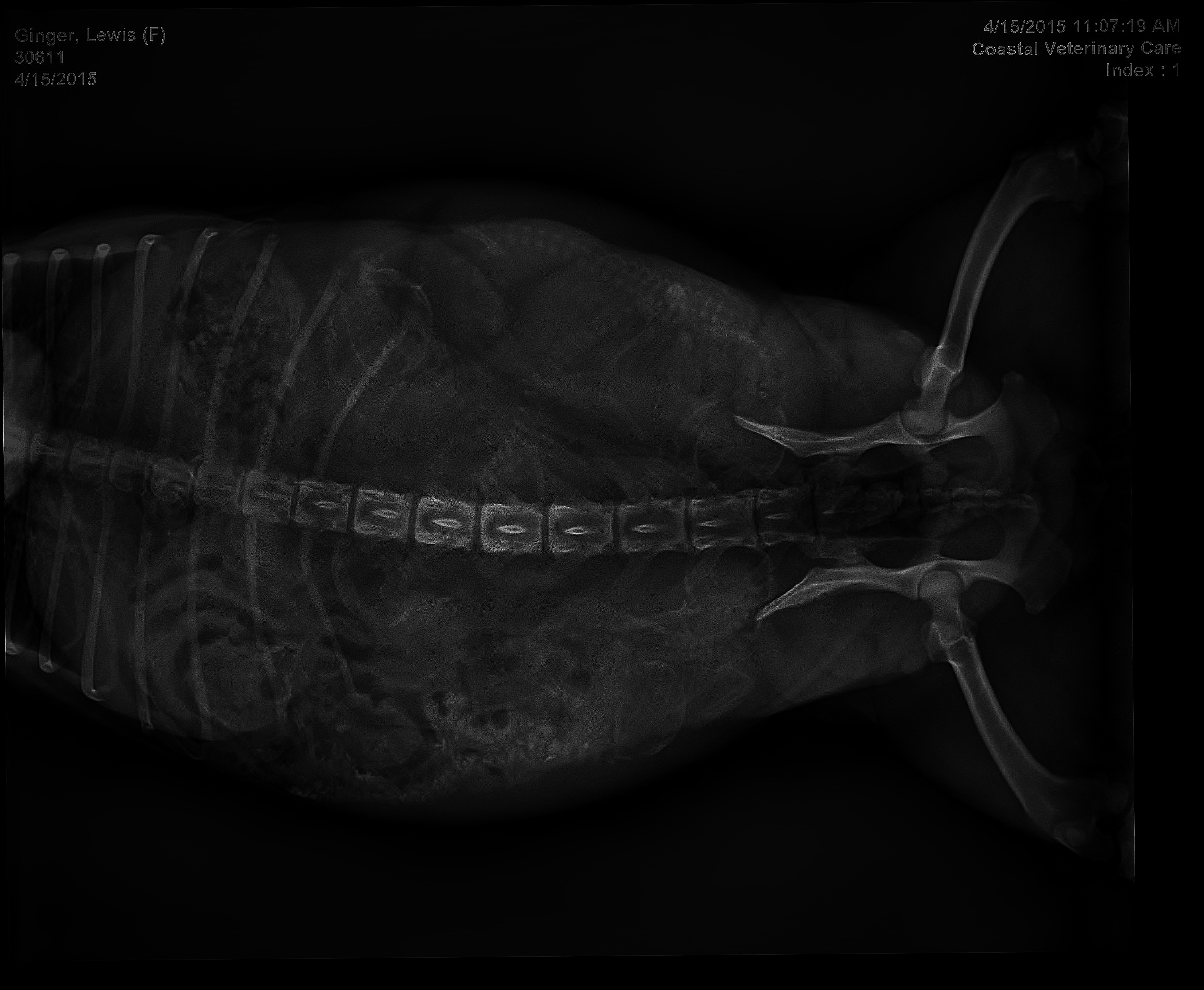
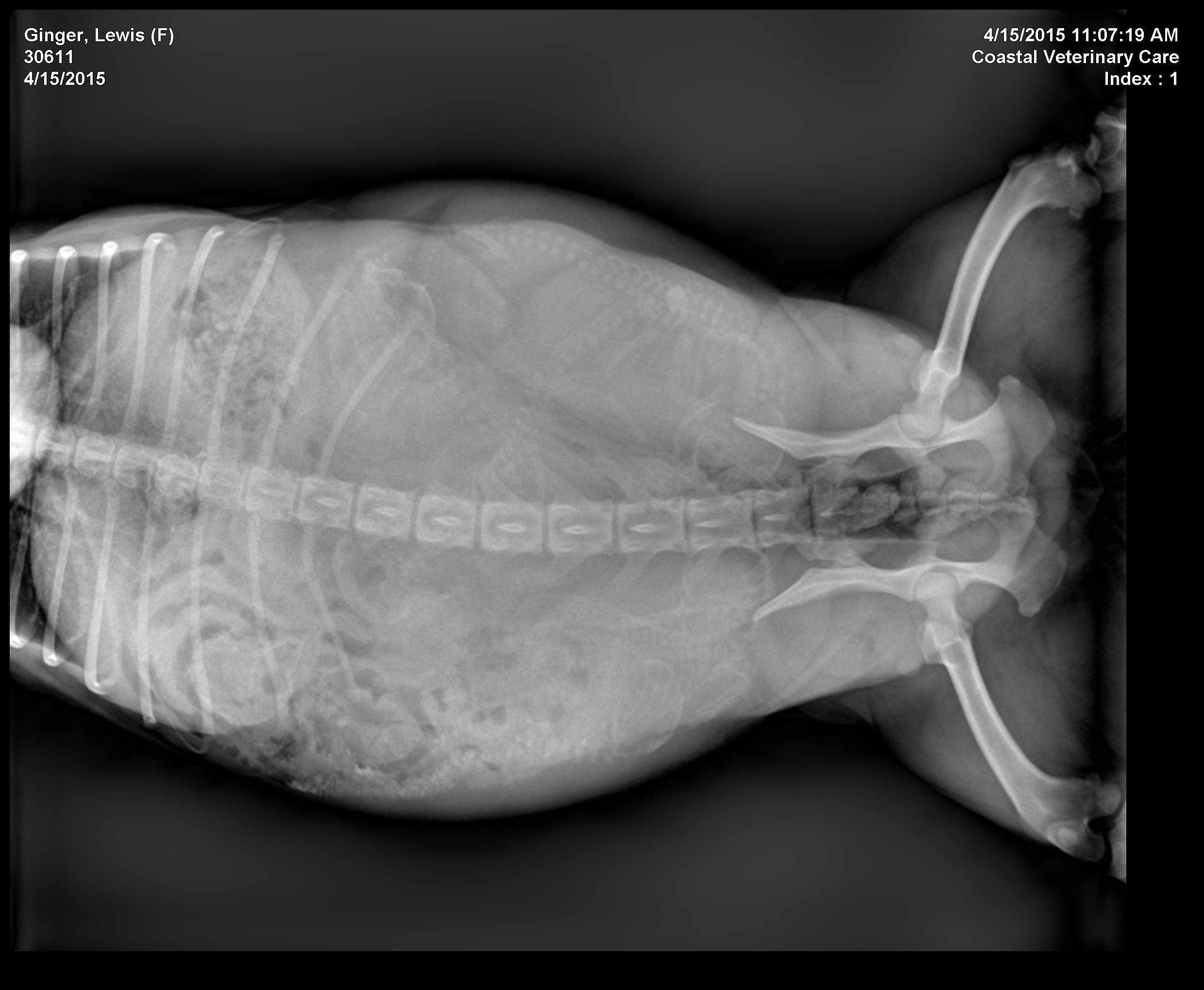
Gingers X-ray

Ginger and Wrecker

Vet says 6, I see 5. Anyone else want to take a guess???

Ginger Lewis1

Ginger Lewis1 (2)

Categories: Puppies | Tags: ,

Echo and Wrecker puppies are finally here!

After a long agonizing wait Wrecker is finally a daddy. This is Echo’s last litter and Wrecker first.

All Happy healthy the girls.

Categories: Puppies | Tags: ,

Truffles had here babies.

Truffles had 4 healthy puppies last night. Can’t wait until there eyes open in about 8 to 14 days.

1 Red Tri Female

2 Red Tri Males

1 Black Tri Males

Categories: Truffles and Bodie | Tags:

Spice’s last litter.

I have decided that Spice is pregnant. Wyatt the sneaky boy!!! is the sire. This is possibly his last litter too.

She is due April 26.

I have started a list and it is filling fast, please give me a call if you would like to be added to her list. The pups will all be REDs. Spice will be retiring after this litter, she will be looking for the prefect home. She will be 5 in Oct. Her parents are Lacy and Rusty.

Categories: Wyatt And Spice's Puppies | Tags: , ,

Yeah Ginger and Wrecker.

I am so excited to let everyone know that my sweet little Ginger is bred to my Lil Red Wrecker, They will have a beautiful litter of all red puppies.

Their  little ones will be all Red Merle’s and Red Tri’s. Their due date is April 17th

We are now taking Deposits on this litter.

Categories: Puppies | Tags: ,

Yes, We are expecting.

Truffles and Echo both are expecting puppies their due date is April  9th.

  We are now taking Deposits , please call to get on the list.

Truffle and Bodie

Echo and Wrecker

Categories: Puppies | Tags: , , ,

Critical Periods in Your Pup’s Growth (2) | Doglistener

Critical Periods in Your Pup’s Growth (2) | Doglistener.

0 to 7 Weeks
A puppy a few days old being handled by the breeder. Creates better dogs when handled this early.Neonatal, Transition, Awareness, and Canine Socialisation. Puppy is with mother and litter-mates up to seven weeks .

During this period, your puppy learns about social interaction, play, and inhibiting aggression from its mother and litter-mates.

This is also the time a couple of days after the birth, that the breeders should regularly handle the puppies.

Handling on a regular basis when they are still blind and deaf causes them a mild stress response that allows them to be healthier,bond more with humans, more intelligent and easier to train.

Puppies must stay with their mother and littermates through this critical period. As the puppies learn the most important lesson in their lives, they learn to accept discipline.

It is at this time that they also learn not to toilet in the nest.

7 to 16 Weeks
Human Socialisation Period. The best time to take a puppy home is 7 weeks then you have nine whole weeks to work with the dog over this incredibly important period.

The puppy now has the brain waves of an adult dog, but his attention span is short. This period is when the most rapid learning occurs. Learning at this age is permanent so this is a perfect time to start training but make it fun.

This is also the time to introduce the puppy to things that will play and important part in his life. Different people, places, animals, hoovers,washing machines, and unusual sounds, in a positive non threatening way.

This is also the time to work with any perceived problems, especially aggression. If dogs are showing aggressive behaviour under 16 weeks then get it treated immediately. The dogs personality and future temperament is formed around the age of 16 weeks. This relates to the same age as a 5 year old child.

It is at this time that a childs personality is fully formed, any learning after that is just based on knowledge and experience. The personality will not change and that is exactly the same for your dog.

8 to 10.5 Weeks
Fear Imprint Period. Whilst the Pup is going through human socialisation it also go has an important fear/hazard avoidance period. This starts at 5 weeks and peaks between 8 and 10.5 weeks. Any traumatic, frightening or painful experience will have a more lasting effect on the puppy than if it occurred at any other time in its life.

German ShepherdThis is the period that you do not handle it correctly can give you dog a lasting fear of traffic, Vets or other frightening experiences, noises or events.

Never ever praise, cuddle, comfort or sympathise with your pup when it is startled or showing fear or anxiety.

This only serves to reinforce the fear the exact opposite of humans.

13 to 16 Weeks
Seniority Classification Period. Puppy starts to cut teeth and apron strings! Puppy begins testing its position in the family unit.

You must discourage all biting; the dog should have started to learn and understand bite inhibition by this time! It is important that you are a strong and consistent leader.

The period between 0 and 16 weeks is the most important period in your dog’s life.

He will learn more during that short space of time than at any other time in his life. Other windows of opportunity for learning will open during your dog’s life.

However, what you see at 16 weeks without extensive training and behavioural modification is about what you are going to get as an adult. Therefore, work hard on giving your pet the best start in life

4 to 8 months
Play Instinct Period. Flight Instinct Period. Puppy may wander and ignore you. It is very important that you keep the puppy on a leash at this time!

The way that you handle your pup at this time determines if he will come to you when called. At about 4-1/2 months, your puppy loses his milk teeth and gets his adult teeth. 

That’s is the time when he begins serious chewing! A dog’s teeth don’t set in his jaw until around about a year depending on breed and size.

During this time, the puppy has a physical need to exercise his mouth by chewing. 

Training must continue through this period or all your good work may revert back to stage one.

Occasionally the puppy will start to urinate in the house again if this happens, just go back to basic toilet training.

6 to 14 months
Second Fear Imprint Period or Fear of New Situations Period. Dog again shows fear of new situations and even familiar situations.

Dog may be reluctant to approach someone or something new. It is important that you are patient and act very matter of fact in these situations. Never force the dog to face the situation. 

DO NOT pet the frightened puppy or talk in soothing tones. The puppy will interpret such responses as praise for being frightened. Training will help improve the dog’s confidence. This fear period is normally more marked in male dogs.

young working Cocker  about one year old1 to 4 years
Maturity Period. You may encounter some increased aggression and renewed testing for position and authority, however

if you have spent lots of time with your dog and trained consistently and regularly, then this should not present itself as a problem – in fact you may hardly notice this change, it is just something to keep in mind. 

Continue to train your dog during this period. It is possible that your dog may have another fear period between 12 – 16 months of age.

Regardless of your reason for acquiring a puppy, you’ll have to win it over. You, not your dog, will have to create a safe and secure environment with ongoing training if your pup is to develop into a well-mannered family member instead of a thug or a burden.

Dogs are animals, not human beings. They are instinctively pack animals. In every pack there is at least one sometimes more than one leader, who tends to make most of the decisions. Usually the pack will have at least one and possibly more breeding male and breeding females.

All the other members of the pack form a hierarchy in which everyone has a place. Your dog is not a wolf, and though we have tended to think Alpha is important position, new thinking and study has somewhat disproved this idea.

That is not to say you should not show leadership through controlling resources in a fair and equable way In your home, you and your family become your dog’s family, as do any other dogs you may have. It is therefore your responsibility to establish yourself in a position of authority and trust. If you fail to do this, your dog may question your requests. Many people assume that they are automatically the lead figure just because they are humans.
Are you really the leader? Does your dog know it and respect your wishes and commands? Are you controlling all the resources around your dog and does the dog see you as the resource controller? see my article “The Alpha Myth”

Being the leader/controller does not mean you have to be big and aggressive. Nor does it mean that there has to be a battle of strength or wills. Anyone can be the leader/controller. It is an attitude an air of authority. It is the basis for mutual respect, and provides the building blocks of communication and trust between you and your dog. It never means punishment or overt aggression.

Stan Rawlinson © 1999

Categories: Puppies

Blog at WordPress.com.